
Quick home cleaning tips that actually save time
A clean home matters for comfort and for health — but not every job deserves the same amount of your Saturday. Here's what's actually worth doing regularly.
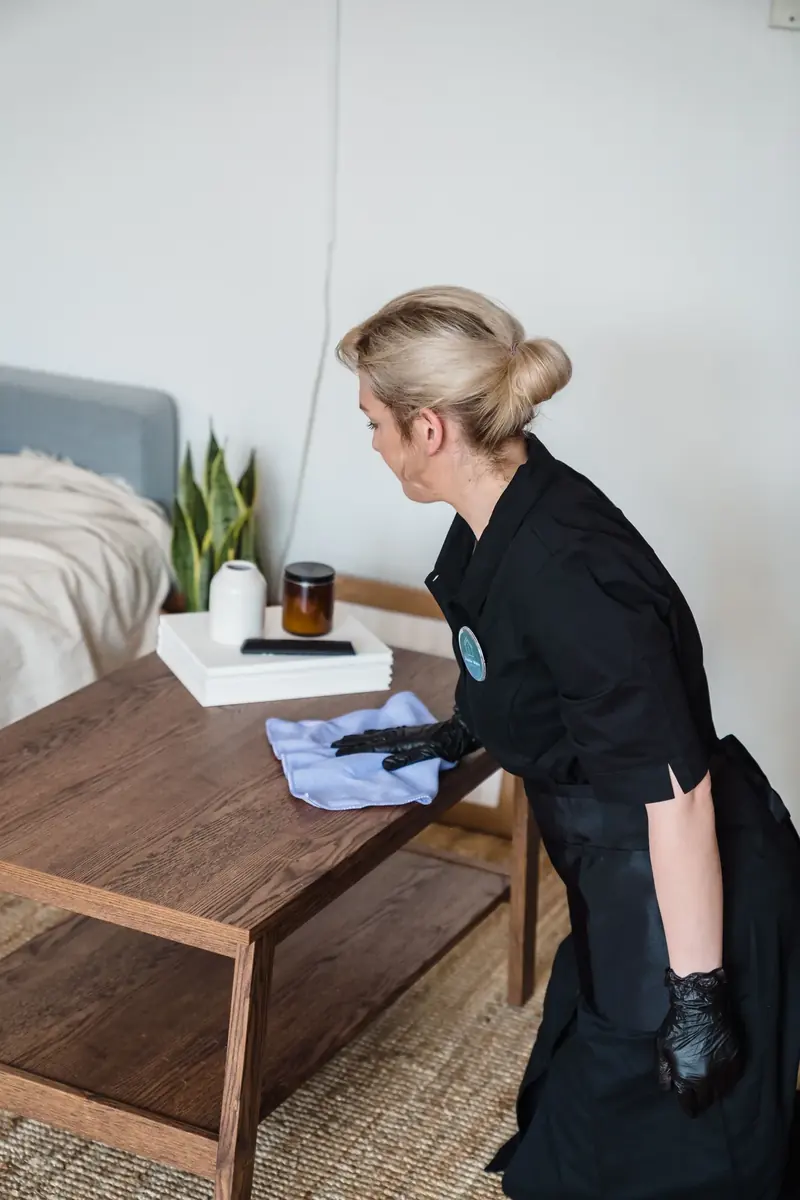
Most households have the same three questions about cleaning: how much time it actually needs, what equipment is worth buying, and at what point it's genuinely easier to hand it to someone else. There's no single answer, but there is a shortlist of habits that punch well above their weight — small, five-minute jobs that stop bigger problems building up between proper cleans.
The habits worth keeping
Exhaust fans. Bathroom and kitchen exhaust fans quietly collect dust on the blades and grille, and a clogged fan moves noticeably less air — which is exactly when you need it most, after a shower or while cooking. A wipe every month or two keeps it working properly instead of just spinning.
Area rugs. A weekly beat or vacuum, ideally outside, gets out the grit that a vacuum alone leaves behind and works its way deeper into the fibres over time. It's the difference between a rug that lasts and one that looks tired within a year.
Dryers. Wiping the lint filter and drum seal after every load takes ten seconds and meaningfully reduces fire risk, not just lint on your next load of clothes.
Bedding. A weekly change reduces the dust mites and allergens that build up fastest in the fabric closest to your face for eight hours a night. Poor-quality or infrequently washed bedding is a genuine, if under-rated, contributor to restless sleep.
Air quality. Open windows for even ten minutes a day where you can, and reach for a vinegar-and-water or bicarb-based clean on surfaces instead of a heavily scented commercial spray. It's gentler on anyone in the house with allergies or asthma, and it cleans just as well for most everyday jobs.
A few things worth knowing
A scuff-mark eraser (a melamine sponge, wet, gently scrubbed) lifts shoe marks and scuffs off hard floors far more effectively than most people expect from something the size of a bar of soap — no harsh chemicals needed. For streak-free glass and mirrors, a diluted vinegar spray and scrunched-up newspaper genuinely outperforms most bottled glass cleaners, and costs almost nothing.
Dryer sheets, run lightly along skirting boards, cut down the static that attracts dust in the first place — a small trick that keeps skirtings looking fresher for longer between proper wipe-downs. And bicarb soda sprinkled on fabric furniture, left for twenty minutes, then vacuumed off, lifts everyday odours and light stains without needing a steam clean.
If there's one tool worth having a few of, it's good microfibre cloths. They're highly absorbent, they lift dust rather than pushing it around, and — used dry or lightly damp — they clean glass, benchtops and most hard surfaces without leaving the residue a paper towel or an old rag tends to.
The bit people skip: none of this replaces an actual deep clean once or twice a year — oven, inside windows, behind furniture, skirtings properly scrubbed rather than dusted. The daily and weekly habits above buy you time between them; they don't replace them.
If a weekly or fortnightly clean isn't happening consistently, or the gap between cleans has stretched further than you'd like, that's exactly what a regular service is for — see our house cleaning page for pricing and what's included, or book in a one-off deep clean to reset the place properly first.
Rather have someone else do it?
Fixed, agreed quotes and the same insured team every visit — Kiama and the South Coast.